
Tips for Creating a Relaxing Home Office Environment
Creating a relaxing home office is essential for maintaining productivity and well-being while working from home. A calm and organised workspace can reduce stress, improve concentration, and make your daily tasks feel less overwhelming. In this post, we’ll explore practical tips to help you design a home office environment that supports both comfort and efficiency.
Why a Relaxing Home Office Matters
Working from home has become common, but it comes with challenges like distractions and blurred boundaries between work and personal life. By creating a relaxing environment, you set the stage for clearer focus, better mood, and healthier habits. This doesn’t mean your office has to be a spa-like retreat, but small thoughtful changes can make a big difference.
Choose the Right Location
Your home office should be in a quiet area with minimal interruptions. Here are some points to consider:
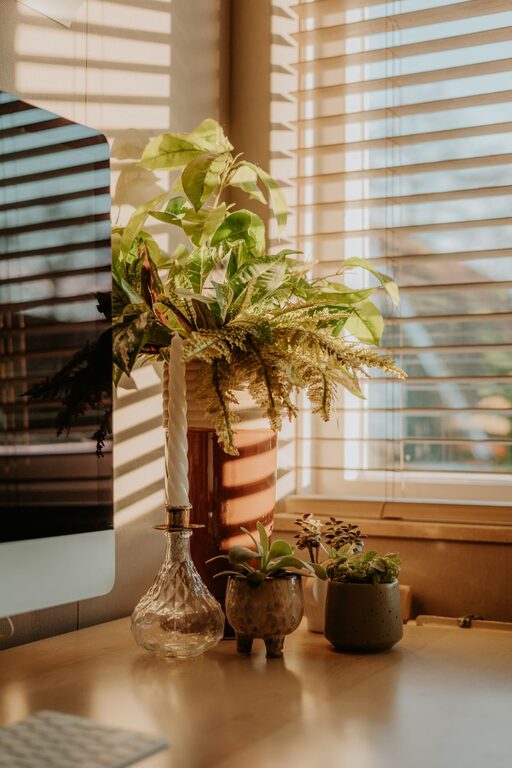
– Natural Light: Position your desk close to a window if possible. Natural daylight helps regulate your body clock and can boost your mood and alertness.
– Away from Noise: Pick a spot away from the TV, kitchen, or busy household areas.
– Space for Movement: Make sure there’s enough room to move comfortably and stretch occasionally.
Invest in Comfortable Furniture
Your body will thank you if you choose ergonomic furniture that promotes good posture:
– Chair: A good office chair supports your lower back and encourages upright sitting without strain.
– Desk: Opt for a desk at the right height to keep your wrists and elbows at comfortable angles.
– Adjustability: Consider a sit-stand desk if you want to change positions during the day.
Keep Your Workspace Organised
Clutter can hinder concentration and increase anxiety. To keep your desk tidy:
– Storage Solutions: Use shelves, drawers, or baskets to store documents and office supplies.
– Minimalism: Only keep essential items on your desk.
– Regular Declutter: Spend a few minutes at the end of each day organising your space.
Personalise with Calming Elements
Adding touches that make you feel calm and inspired can improve your workspace atmosphere:
– Plants: Indoor plants improve air quality and have a soothing effect.
– Colours: Choose soft, neutral, or pastel colours for walls and furnishings to promote relaxation.
– Artwork: Hang pictures or prints that bring you joy or inspiration.
Control Lighting for Comfort and Focus
Lighting plays a big role in how your space feels and how easily you can concentrate:
– Use Multiple Light Sources: Combine overhead lighting with desk lamps to reduce eye strain.
– Avoid Harsh Light: Choose warm or natural light bulbs instead of harsh fluorescent lights.
– Minimise Screen Glare: Position your computer screen to avoid reflections from windows or lamps.
Manage Noise Levels
Noise can be a major distraction. Here are a few ideas to create a quieter environment:
– Soft Furnishings: Rugs, curtains, and cushions help absorb sound.
– Noise-Cancelling Headphones: Consider these if you share your home with others.
– Background Music or White Noise: Gentle instrumental music or white noise machines can mask distracting sounds.
Incorporate Break and Movement Areas
It’s important to step away from your desk regularly:
– Designate a Spot for Breaks: A comfy chair or a small corner with cushions can encourage short pauses.
– Stretching Space: Allocate enough room to stand up and do light exercises or stretches.
– Use Timers: Remind yourself to take regular breaks to rest your eyes and mind.
Use Technology Wisely
Technology can support or disrupt your workflow depending on how you use it:
– Cable Management: Keep cords organised and out of sight to maintain tidiness.
– Apps for Focus: Use productivity apps or browser extensions that block distracting websites.
– Video Calls Setup: Position your camera against a neat background to maintain professionalism and reduce stress.
Maintain Good Air Quality and Temperature
A fresh and comfortable atmosphere promotes relaxation:
– Ventilate: Open windows regularly or use an air purifier.
– Temperature: Keep the room temperature moderate—not too hot or too cold—to stay comfortable.
Summary
A relaxing home office environment supports your comfort, focus and overall wellbeing. By choosing the right location, investing in ergonomic furniture, organising your space, and adding personal calming touches, you create a workspace that feels inviting and functional. Don’t forget to manage lighting, noise, and air quality, and schedule breaks to maintain balance throughout your workday. With these simple tips, your home office can become a haven for productivity and calm.
